

Cycling Guide
The Prague to Vienna Route: Section by Section
A detailed breakdown of each flat section along the famous Danube greenway, including rest stops, accommodation options, and what to expect.
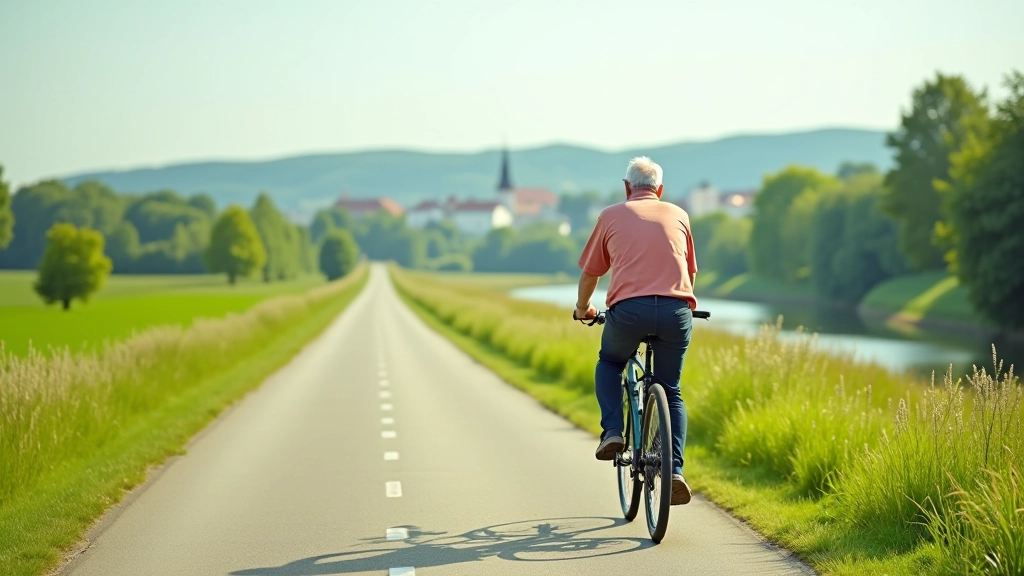
The Prague to Vienna route isn't just another bike path. It's 330 kilometers of relatively flat terrain following the Danube through three countries, connecting two of Central Europe's most beautiful cities. Most riders find they can tackle this journey in 7-10 days without rushing.
Here's the thing — knowing what's coming in each section makes a huge difference. You'll plan your rest days better, pick the right towns to stop in, and actually enjoy the ride instead of just surviving it. We've broken down each major section so you know exactly what to expect.
330
km Total Distance
7-10
Days Average
3
Countries
Prague to Melník: Finding Your Rhythm
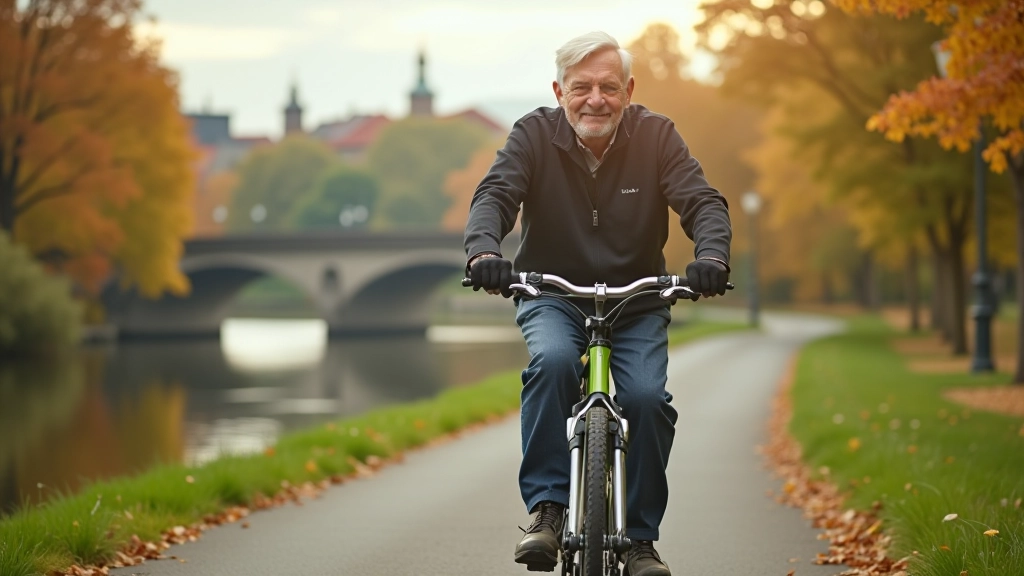
Your first day sets the tone. Starting from Prague's center, you'll head northeast toward Melník — about 35 kilometers of relatively easy cycling. The path leaves the city gradually, following the Vltava River before it merges with the Elbe. You're not dealing with serious elevation gain here, which is why this route works so well for older riders.
Most cyclists take 3-4 hours for this stretch, though there's no rush. The route passes through Roztoky and Zbraslav, both with small cafés and water stops. Melník itself sits at the confluence of two rivers and has several decent accommodation options — everything from basic hostels to small hotels. The town's worth exploring; there's a castle overlooking the vineyards and genuinely good wine shops if you're interested.
Rest tip: Don't push hard on day one. You'll want your legs fresh for what's ahead. A 35km pace of 15-16 km/h is perfect — gives you time to soak in the scenery.
Melník to Litoměřice: The Real Start
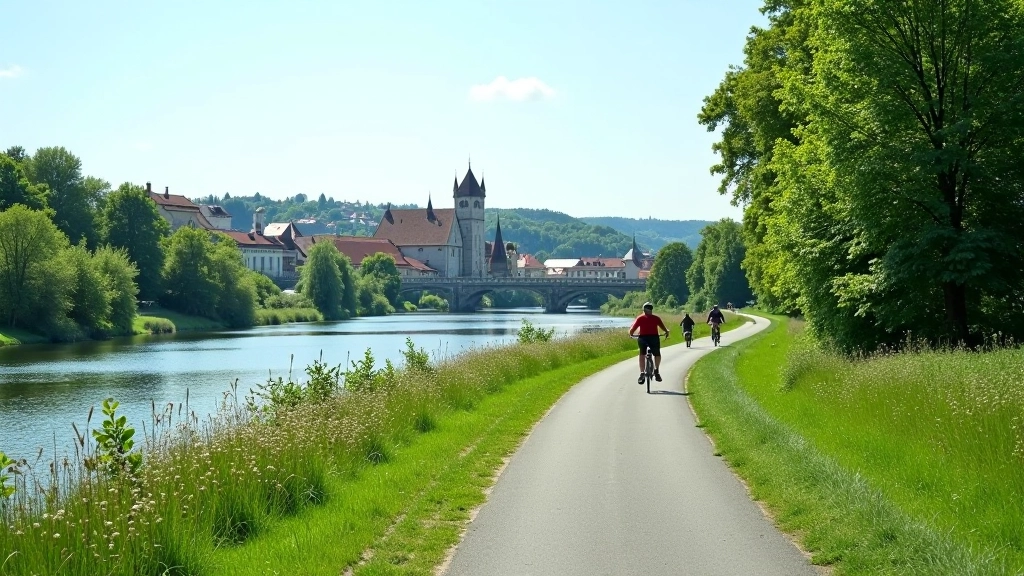
Day two covers about 40 kilometers, and this is where you settle into the rhythm. The Elbe River becomes your constant companion now. The path stays incredibly flat — we're talking maybe 50 meters of elevation change across the whole day. Litoměřice's a charming medieval town with narrow streets, and it's one of the better stops on the route.
You'll notice the infrastructure gets better here. Marked cycle paths, proper signage, and plenty of places to refill water bottles. There's a nice riverside park just outside Litoměřice where you can stretch your legs before finding accommodation. The town has character — old towers, a main square worth sitting in for lunch, and several restaurants that actually cater to cyclists without charging tourist prices.
Check tire pressure before starting each day
Bring electrolyte tablets for longer days
Stop every 15-20 km for a proper break

Litoměřice to Ústí nad Labem: Into Germany
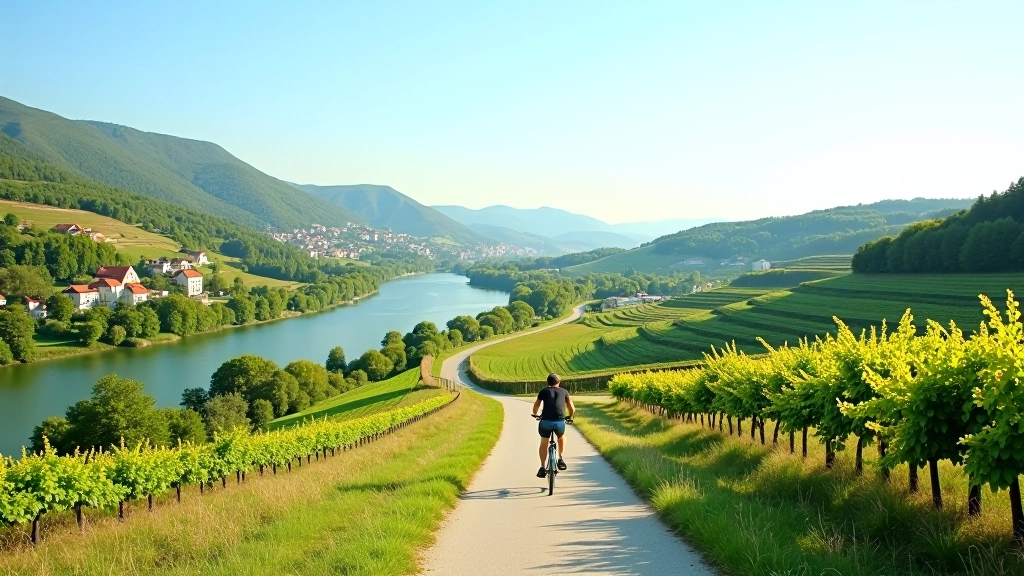
This section's about 30 kilometers and crosses into Germany, which changes things slightly. The path quality doesn't drop — if anything, it improves. German cycling infrastructure is seriously good. You're cycling along the Elbe through wine country, with vineyards on both sides. It's genuinely beautiful, especially in late summer.
Ústí nad Labem sits at a key junction point. Some riders stay here for a rest day — there's enough to do without being a major tourist trap. Others push on toward Bad Schandau in Germany. If you're feeling strong, that's another 45 kilometers of mostly flat riding. The decision depends on how your legs feel and whether you want to tackle the next section fresh or break it into smaller chunks.
Easy Pace
12-14 km/h
Great for sightseeing and frequent stops
Moderate Pace
15-16 km/h
Standard touring speed, good energy management
Brisk Pace
17-18 km/h
Only if you're feeling strong and have done this before
Important Information
This guide provides educational information about the Prague to Vienna cycling route based on typical conditions and common experiences. Actual cycling conditions, accommodation availability, and services vary by season and can change without notice. Always check current weather forecasts, road conditions, and accommodation availability before planning your trip. We recommend consulting official cycling route maps and local tourism boards for the most current information. Physical demands vary for each individual — consult with your doctor before undertaking any long-distance cycling tour, especially if you have existing health conditions.
Bad Schandau to Meissen: Saxony's Best
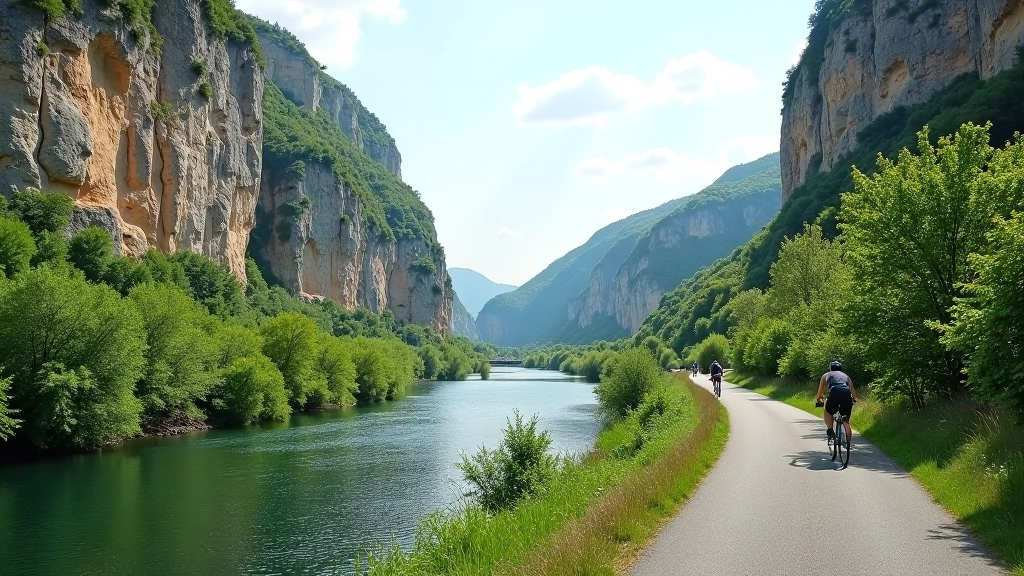
Now you're in Saxon Switzerland territory — dramatic landscapes with river gorges that make you forget you're still riding mostly flat terrain. This 50-kilometer stretch from Bad Schandau to Meissen is honestly one of the most scenic parts of the entire route. The Elbe cuts through sandstone formations, and you're cycling right along it.
Meissen's worth the effort. The town sits on a hillside above the river, and you'll want to spend at least a few hours exploring. The porcelain factories are genuinely interesting if you're into that sort of thing — don't just assume it's tourist nonsense. There's also a castle, good restaurants, and several small hotels that cater specifically to cyclists. Accommodation here books up quickly in summer, so don't arrive without a plan.
Where to Stay
Along this route, you'll find everything from basic guesthouses to small family-run hotels. Most towns have at least one place specifically catering to cyclists with secure bike storage and laundry facilities. Don't always go for the fanciest option — sometimes the simple guesthouses offer better value and more authentic interactions with locals.
The Full Journey Awaits
This detailed breakdown covers the first 150+ kilometers of the route. The sections from Meissen through Torgau, Dresden, and eventually into Austria follow similar patterns — mostly flat, well-marked paths with excellent accommodation options. The rhythm you'll establish in these first sections carries you through the entire journey.
The Prague to Vienna route isn't about speed or covering distance. It's about having a bike that's comfortable, legs that feel strong, and enough time to appreciate three countries' worth of scenery. Taking this route section by section makes the whole thing manageable and genuinely enjoyable. You'll notice improvements in your fitness, but more importantly, you'll notice yourself actually smiling while riding instead of just pushing through.
Whether you're planning a 7-day sprint or a leisurely 12-day tour, knowing what's coming in each section helps you make real decisions instead of just reacting. You've got this. The route's waiting.
Explore More Cycling Guides