Beginner's Guide
Getting Started: Your First Greenway Ride
Everything you need to know before heading out on a flat cycling path — from pre-ride prep to pacing yourself on longer distances without exhaustion.
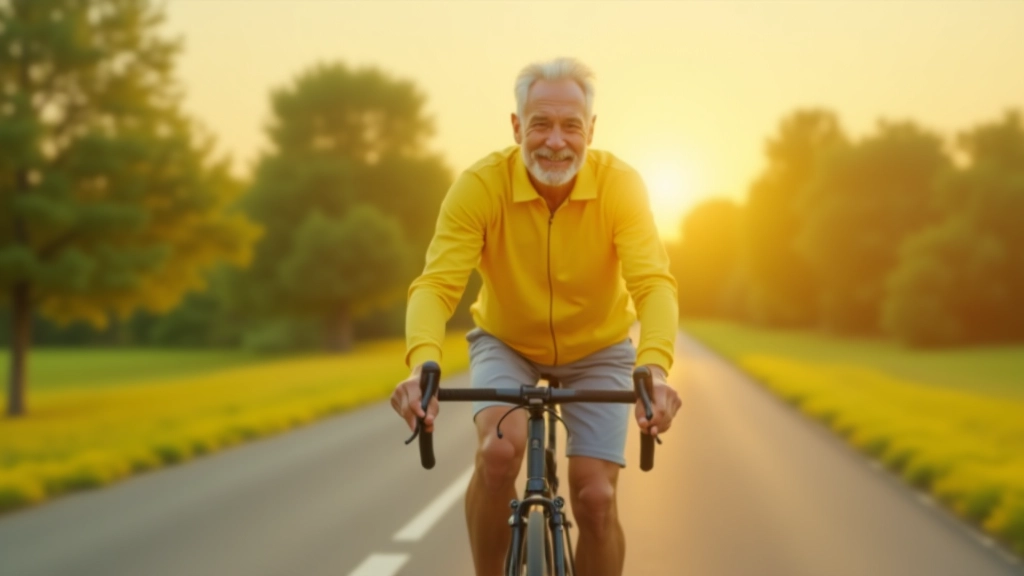
Why Greenways Are Perfect for Cycling at Any Age
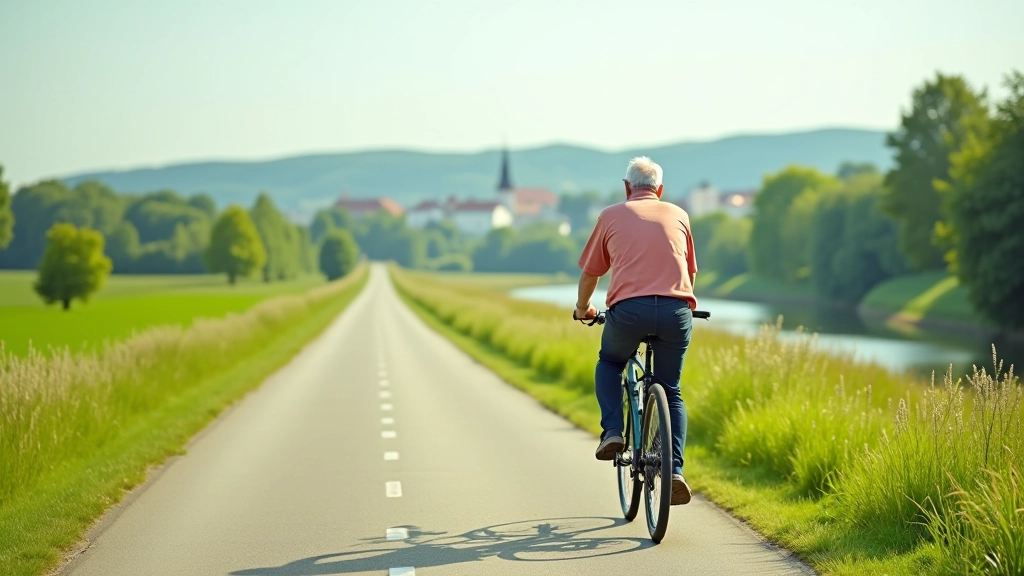
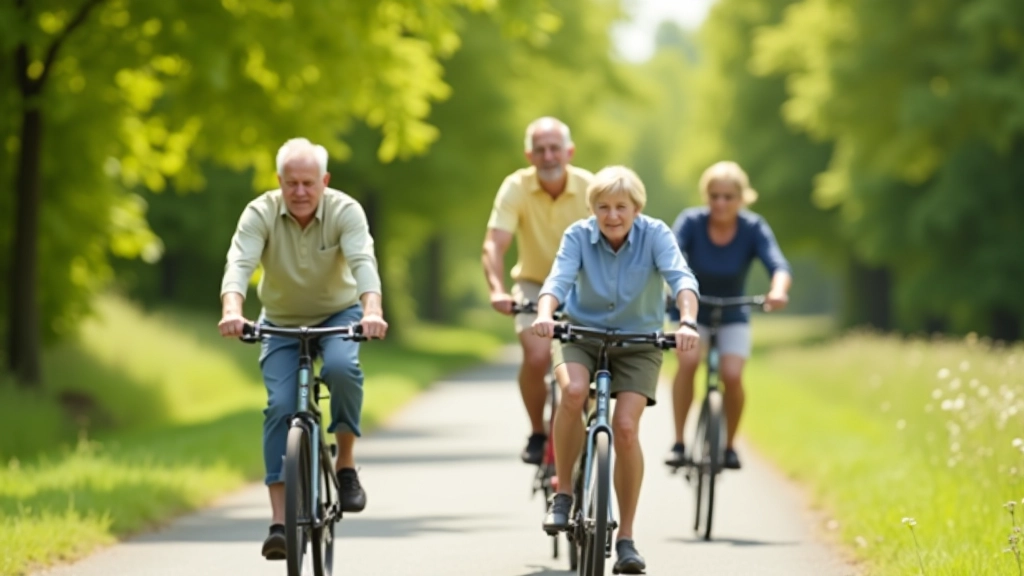
Greenways aren't like regular roads. They're flat, separated from traffic, and designed specifically for recreational cycling. You won't find hills to battle or cars honking behind you. That's what makes them ideal if you're getting back into cycling or trying it for the first time.
The Prague to Vienna greenway spans over 330 kilometers of paved paths following the Danube. Most of it's incredibly smooth. But before you point your bike toward the river, there's some practical groundwork. We've learned from thousands of riders what actually matters.
Flat Terrain
No steep climbs. Just steady, manageable riding.
Safe Routes
Separated from vehicle traffic with clear markings.
Scenic Views
Rivers, forests, and small towns along the way.
Getting Your Bike Ready
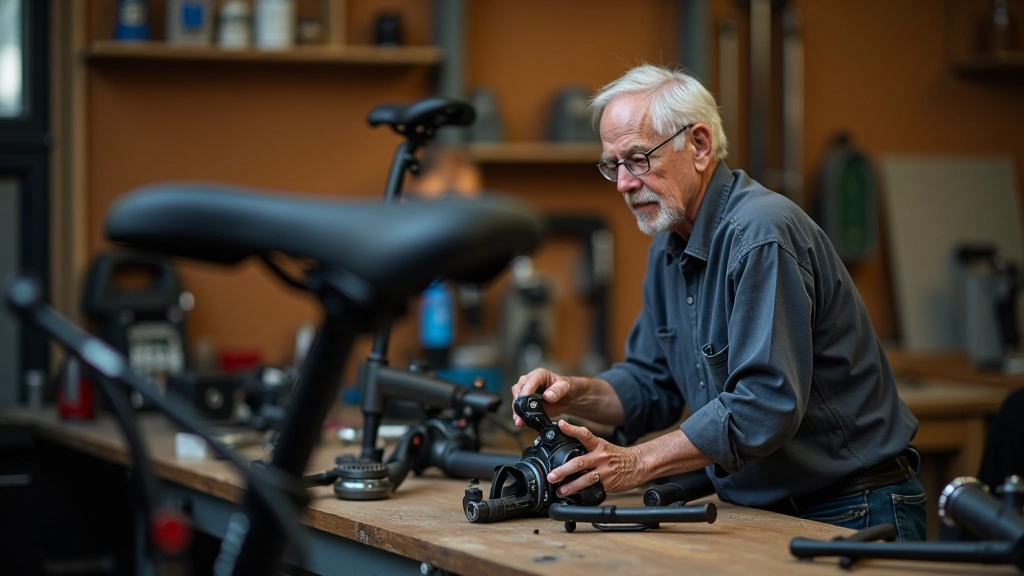
The most common mistake? Not adjusting your bike to fit your body. You could have a decent bike but ride it wrong, and you'll be sore after 10 kilometers. The good news is that a few quick adjustments make a huge difference.
1
Saddle Height
Sit on the saddle with one pedal at the bottom. Your leg should be almost straight — maybe a 25-30 degree bend at the knee. If you're reaching too far or your leg's too bent, adjust up or down about half an inch and test again.
2
Handlebar Position
Handlebars should be roughly level with your saddle, or slightly higher. Don't bend too far forward — that strains your back and shoulders. You want your shoulders relaxed, elbows slightly bent.
3
Tire Pressure
Check the recommended PSI on the tire sidewall. For most recreational bikes, that's between 50-70 PSI. Properly inflated tires roll easier and reduce the chance of flats. Check them before every ride.
Pacing: The Real Secret to Longer Rides
You can't go fast. That's not the point. Greenway riding isn't about speed — it's about distance and enjoyment. Most beginners ride too hard on their first day and pay for it the next day. Here's what actually works.
Start with a pace where you can still hold a conversation. You should be breathing a bit harder than normal, but not gasping. This is called conversational pace, and it's the sweet spot for distance. At this speed, you can ride for hours without burning out.
First 5km
Go easy. Your body needs time to warm up. Don't worry about speed.
Middle Section
Find your rhythm. This is where you settle into a steady pace that feels sustainable.
Final 5km
You'll probably feel tired. That's normal. Don't push harder. Just keep pedaling smoothly.
What to Actually Bring
People overthink this. You don't need fancy gear or expensive accessories. You need the basics — water, sunscreen, and a way to fix a flat. That's it. Everything else is optional.
Water (1-2 liters)
Don't wait until you're thirsty. Drink regularly throughout your ride. Most greenways have water fountains, but don't rely on them.
Sunscreen (SPF 30+)
Even on cloudy days. You'll be outside for hours and your face, arms, and legs get constant sun exposure. Reapply after 2 hours.
Basic Repair Kit
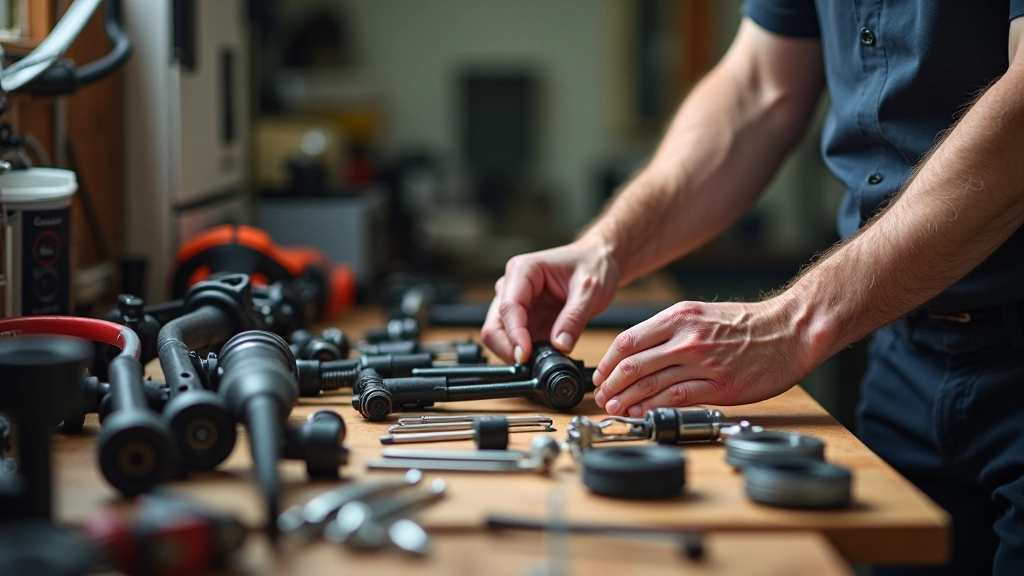
Tire levers, a spare tube, and a hand pump. You don't need to know how to use them before you go — but learn at home first.
Route Map or GPS
Download an offline map on your phone. Greenways are well-marked, but it's reassuring to know exactly where you are.
Important Note
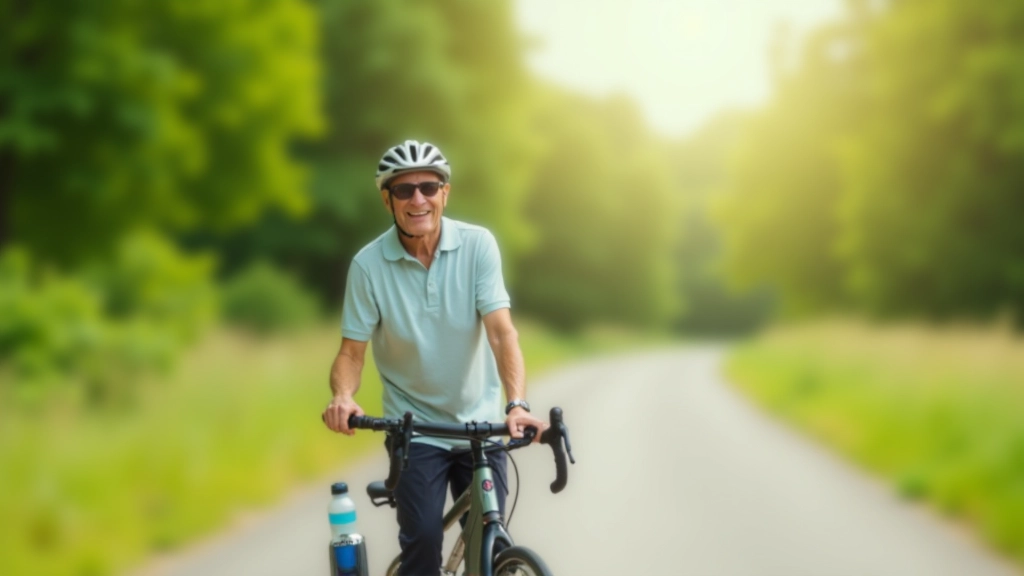
This article provides educational information about cycling on greenways. It's not medical or professional advice. Before starting any new physical activity, especially if you have existing health conditions, consult with your doctor. Road conditions, weather, and personal fitness vary — ride at your own pace and listen to your body. Always wear a helmet and follow local traffic rules.
Your First Ride Is Closer Than You Think
You've got the knowledge now. A properly fitted bike, realistic expectations about pacing, and the right essentials. The last step? Actually go. Pick a greenway near you. Aim for 15-20 kilometers on your first day. You'll probably surprise yourself with how good it feels.
The Prague to Vienna greenway isn't going anywhere. Whether you're planning that as a future goal or just wanting to explore your local cycling paths, you're ready. Start small, enjoy the process, and the longer rides will come naturally. Most importantly, don't overthink it. The best bike ride is the one you actually take.